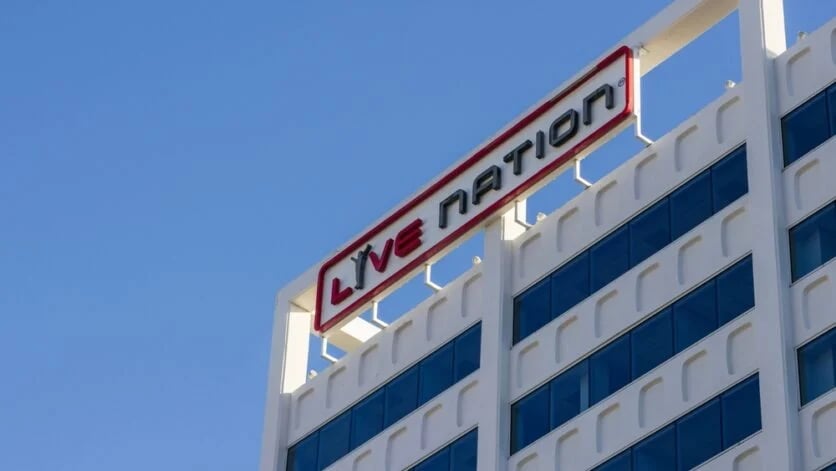
Live Nation Entertainment is selling USD $730 million and EUR €600 million of bonds.

The company intends to use the net proceeds to redeem all of its outstanding 6.500% senior secured notes due 2027, to pay fees and expenses related to the offering, and for general corporate purposes.
Live Nation said those general corporate purposes “may include the repayment or repurchase of certain of the company’s indebtedness.”
Live Nation announced the pricing of the offering, which comprises senior notes due 2032, on Wednesday (October 7).
The dollar notes carry an interest rate of 7.125% a year, while the euro notes carry a rate of 6.125%.
Both tranches will be issued at 100% of face value, with the offering scheduled to close on October 15, subject to closing conditions.
The final sizes differ from the terms Live Nation set out when it launched the offering on Tuesday (October 6).
At launch, the company said it intended to offer USD $840 million of dollar notes and EUR €500 million of euro notes.
That means the dollar tranche was reduced by USD $110 million, while the euro tranche was increased by EUR €100 million.
The notes being redeemed date back to May 2020, when Live Nation issued USD $1.2 billion of them, all of which were still outstanding at the end of June.
The bond sale comes as Live Nation continues to fight several legal battles in the US.
In April, a federal jury in Manhattan found that Live Nation and Ticketmaster had illegally monopolized primary ticketing at major US concert venues, and that Live Nation had monopolized the market for large amphitheaters, handing a win to a coalition of 33 states and the District of Columbia.
The jury also found that consumers had been overcharged by USD $1.72 per ticket for primary concert tickets at major concert venues across 22 states and the District of Columbia.
The US Department of Justice, which sued Live Nation in May 2024, had settled its claims a week into the trial in March, under terms that let the company keep Ticketmaster.
That settlement initially provided for a USD $280 million fund for state damages claims. Six states have since joined it, with shares of the fund totaling around USD $18.6 million, according to Live Nation‘s Q2 10-Q.
The settlement still requires court approval under the Tunney Act, and Pollstar reported in July that US District Judge Arun Subramanian had said he was likely to rule on it between mid-September and mid-October. He has yet to do so.
After the verdict, Live Nation said the USD $1.72 award applied only to a subset of tickets and estimated that aggregate single damages “would be below $150 million, which would be trebled.”
Trebled, a figure below USD $150 million would come to less than USD $450 million.
In its Q1 results, published in May, Live Nation booked a USD $450 million legal accrual tied to the antitrust case.
In an SEC filing, the company said the USD $450 million figure was its best estimate of its eventual loss relating to the six states that joined the DOJ settlement and the jury’s damages award.
The accrual pushed Live Nation to an operating loss of USD $371 million in Q1.
It also left the company with a net loss attributable to common stockholders of USD $94.7 million for the first half of 2026, against a USD $266.6 million profit a year earlier, as reported by MBW in July.
That’s despite first-half revenue climbing 10% YoY to USD $11.5 billion.
In Q2 alone, Live Nation generated revenue of USD $7.7 billion, up 9% YoY, and operating income of USD $522 million.
The company said it ended Q2 with free cash of approximately USD $2 billion.
Live Nation is also fighting a lawsuit filed by the Federal Trade Commission in September 2025, which accuses the company of deceptive ticket pricing and of violating the BOTS Act.
In its Q2 10-Q filing, Live Nation said that, based on what management currently knows, “we do not believe that a loss is probable of occurring at this time” in that case.
The company added that it was hard to predict what financial penalties or other relief the FTC might win in court.
On the company’s Q1 earnings call in May, President and CFO Joe Berchtold said: “We’ll continue to have some expenses on the legal side.”
Berchtold said those costs would relate to the FTC case and other matters, and that he expected them to come down over the next few quarters.
Separately, Live Nation has been hit with at least three proposed class action lawsuits over a data breach involving Social Security numbers, government ID numbers, and health records.
The company, which disclosed the breach to the Vermont Attorney General on October 1, told MBW on Thursday (October 8) that the incident was limited in scope and that a small number of individuals may have been affected.Music Business Worldwide